
Sanitaryware & kitchen sinks · Australia
Sourced direct.
Accountable onshore.
Sortex places bathroom and kitchen programs with more than 200 qualified factories — and carries the specification, compliance and quality risk that normally lands on your desk.
0+
Qualified factories
0
Years in building products
0%
Pre-shipment inspected
Zero
Hidden markup
The problem
Between you and the factory sit four people who add cost and no value.
Trading companies. Sourcing agents. Consolidators. Re-badgers.
Each one takes a margin. Each one blurs the line back to the plant that actually made the product. And when a glaze fault appears in the third container, or a WaterMark licence turns out to cover a different model, none of them owns it.
Sortex removes that layer entirely. We hold the factory relationships ourselves, we audit the plants ourselves, and we put our name against what arrives on your dock. That is what direct actually means — and it is the whole business.
What we source
Four divisions.
One specification standard.
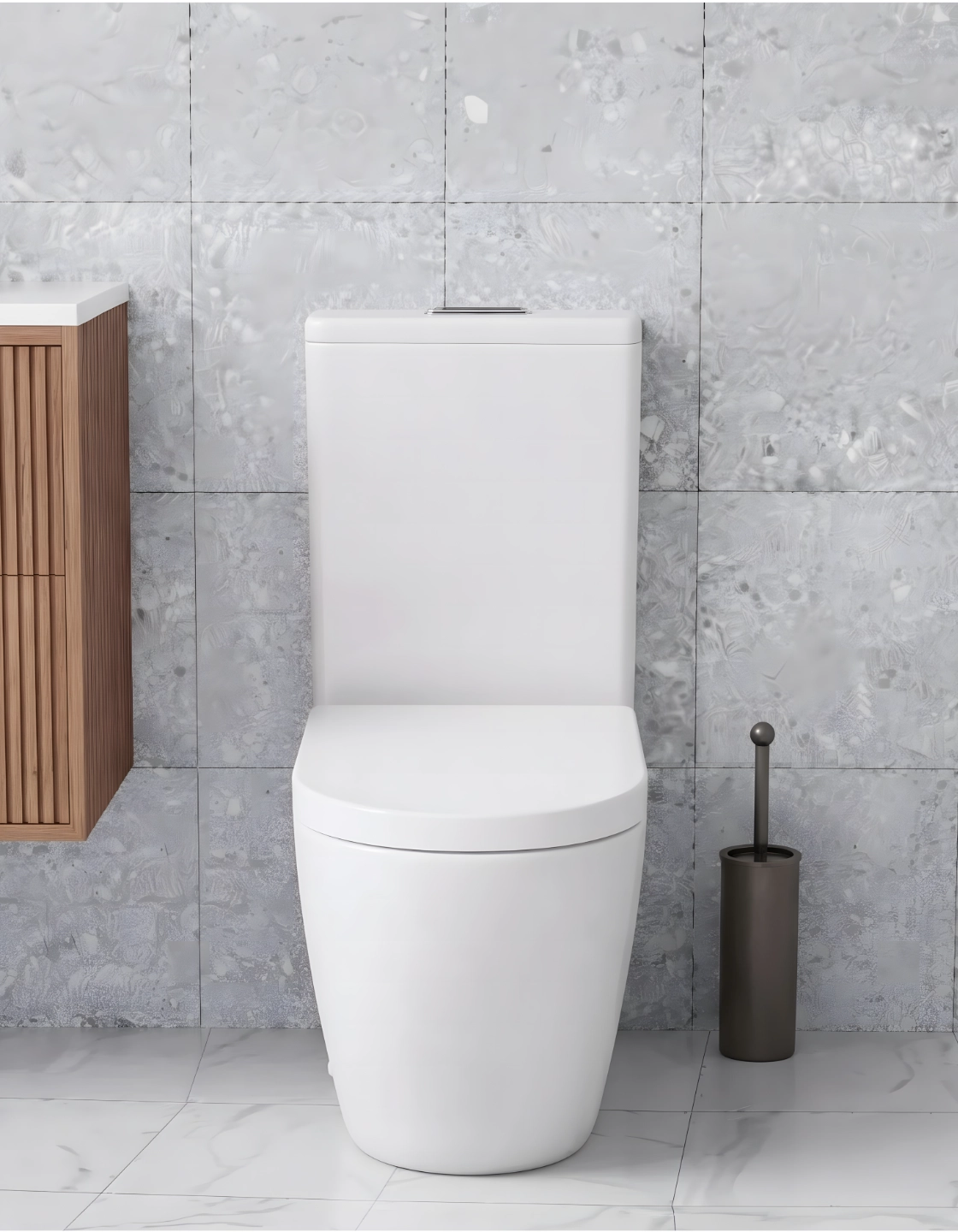
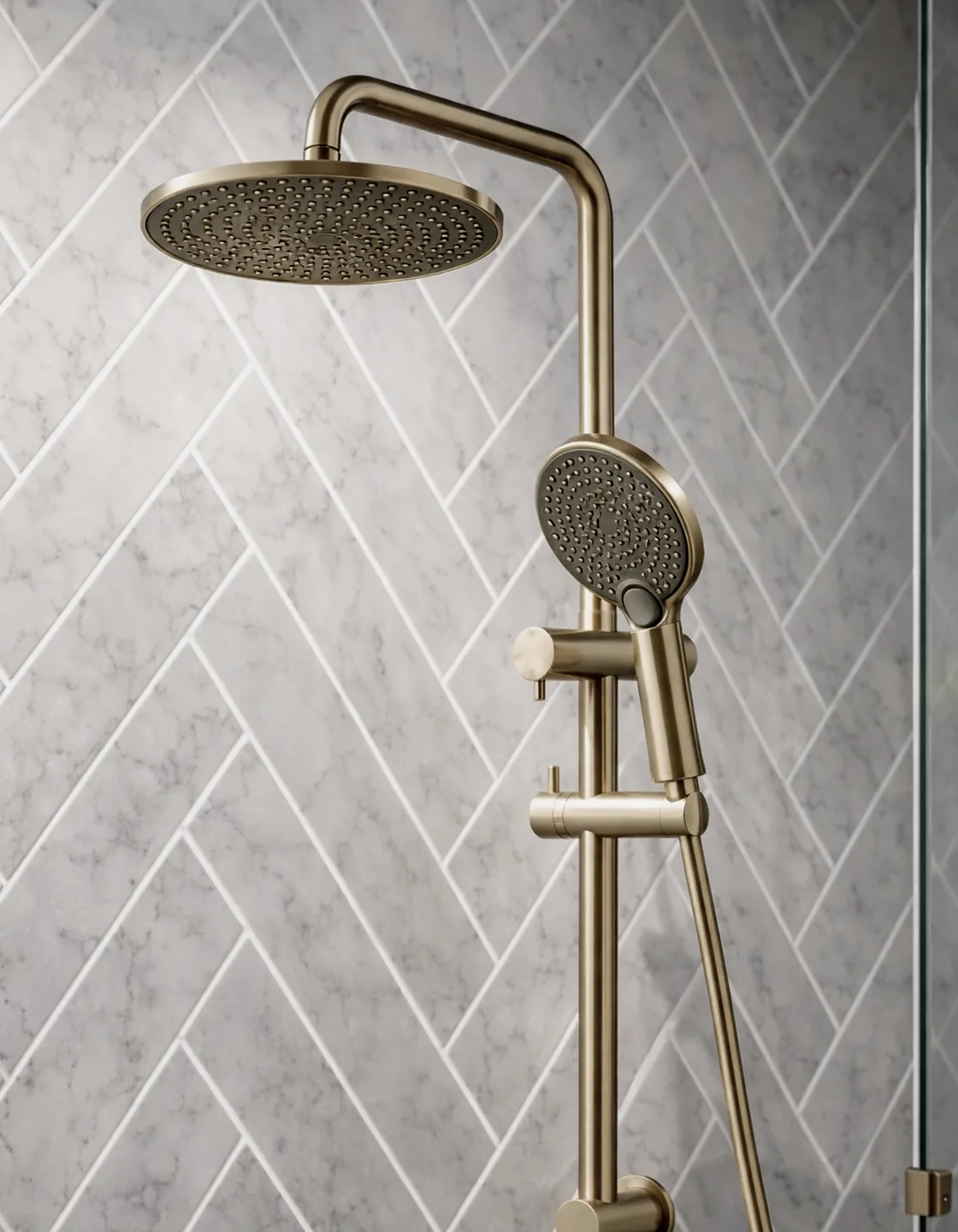
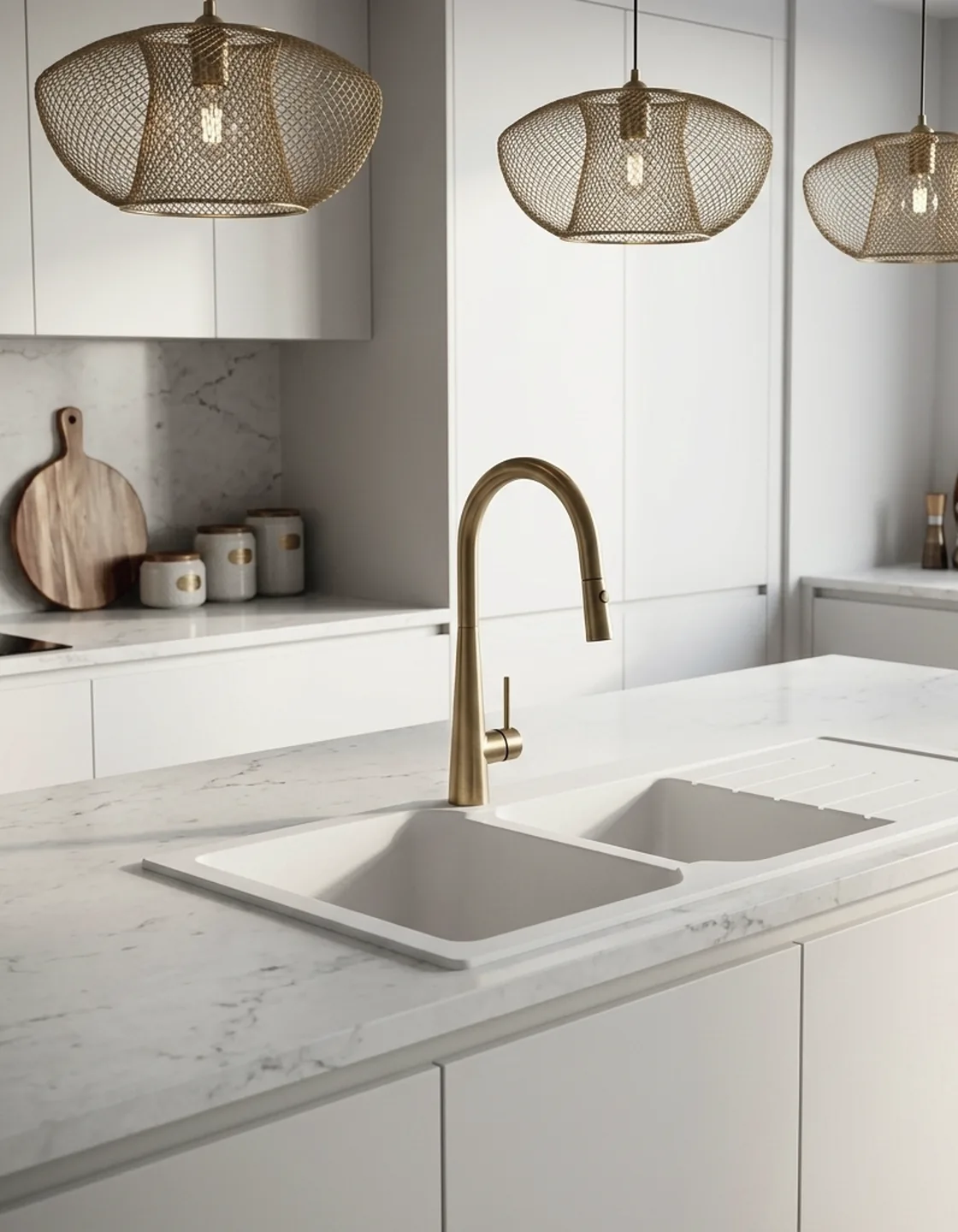
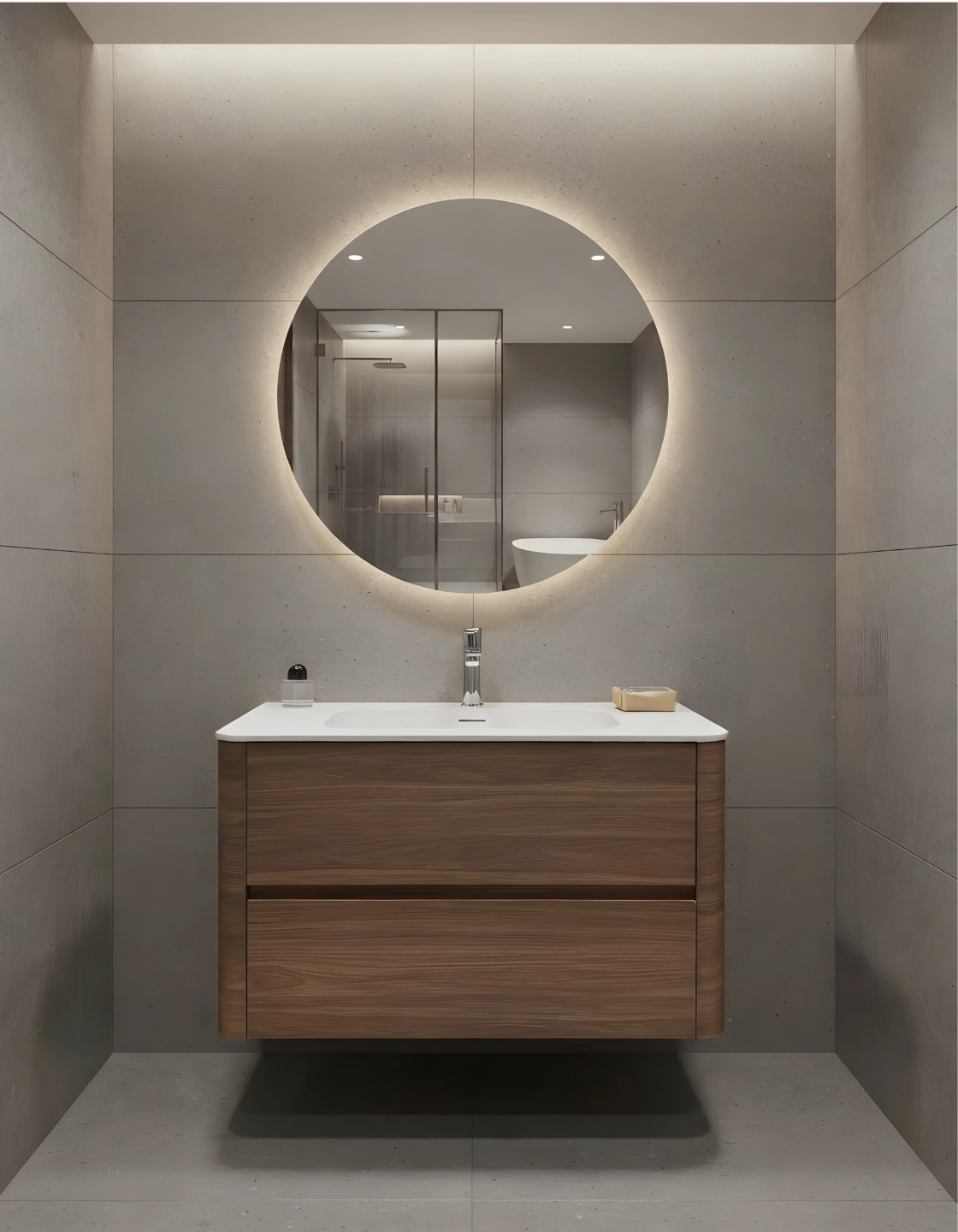
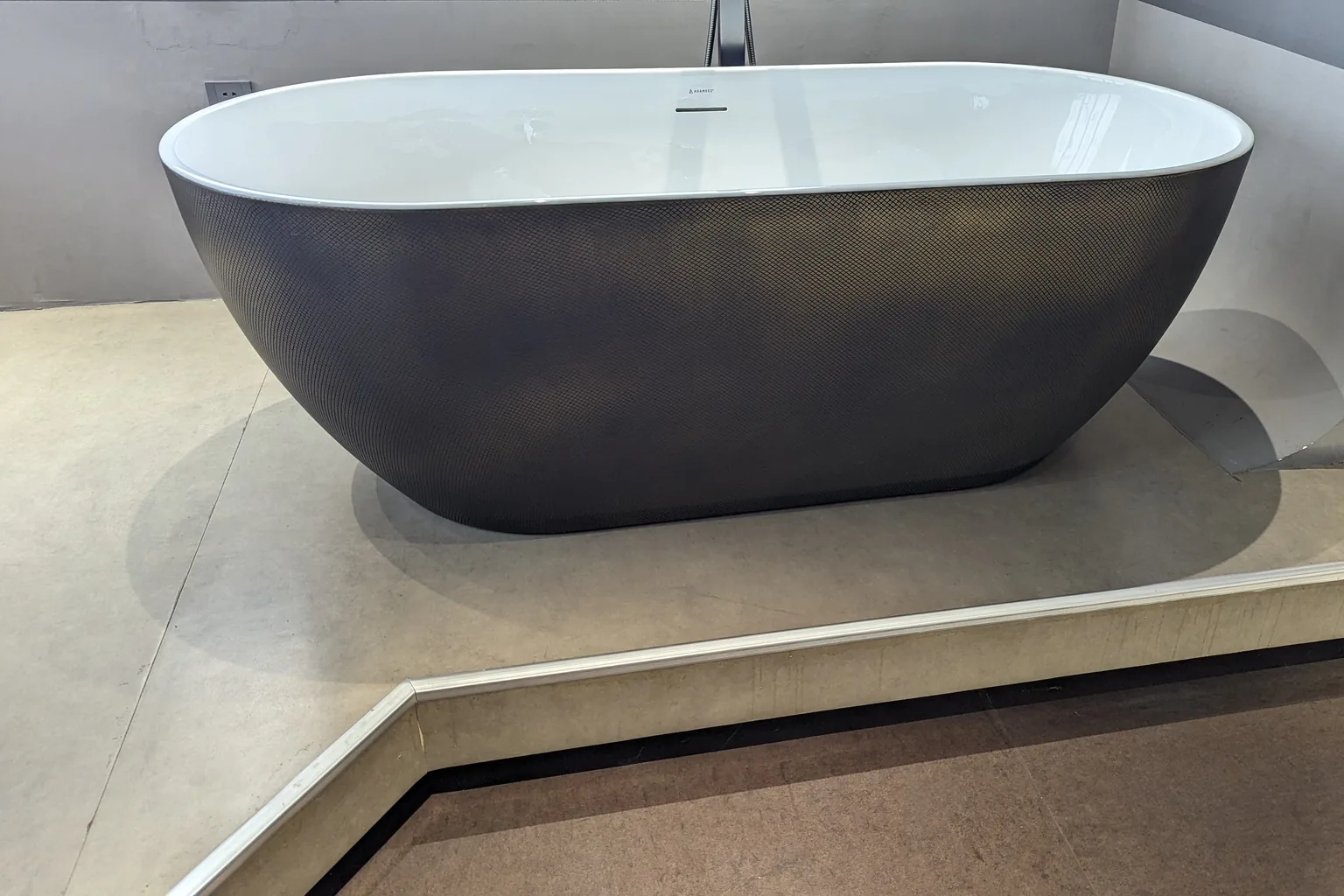
Every category below is sourced against a written Australian specification — dimensions, materials, finish tolerance, certification pathway and packaging — agreed before a factory is approached.
Factory network
A shortlist, not a directory.
Anyone can find a factory. The work is knowing which of them can hold a tolerance across 4,000 units, which will still answer the phone in December, and which one has actually certified the model you are asking about.
Our 200+ plants are qualified on capability and audited on record — then matched to your program on fit, not on who happens to be quoting cheapest this month.
0+
Qualified factories across sanitaryware, tapware, sinks and vanities.
0
Audit criteria every plant clears before it enters the network.
0%
Orders inspected before the container is sealed.
FOB
Direct factory pricing, quoted transparently to landed cost.
Markets
Five markets. Five different rulebooks.
We supply into Australia, New Zealand, Singapore, Malaysia and Thailand.
Each of those markets certifies plumbing product its own way, and a product approved for one is not automatically sellable in another. The specification is written to the destination market rather than to whatever the factory already holds — which is the difference between a range you can sell and a container you cannot clear.
On the line
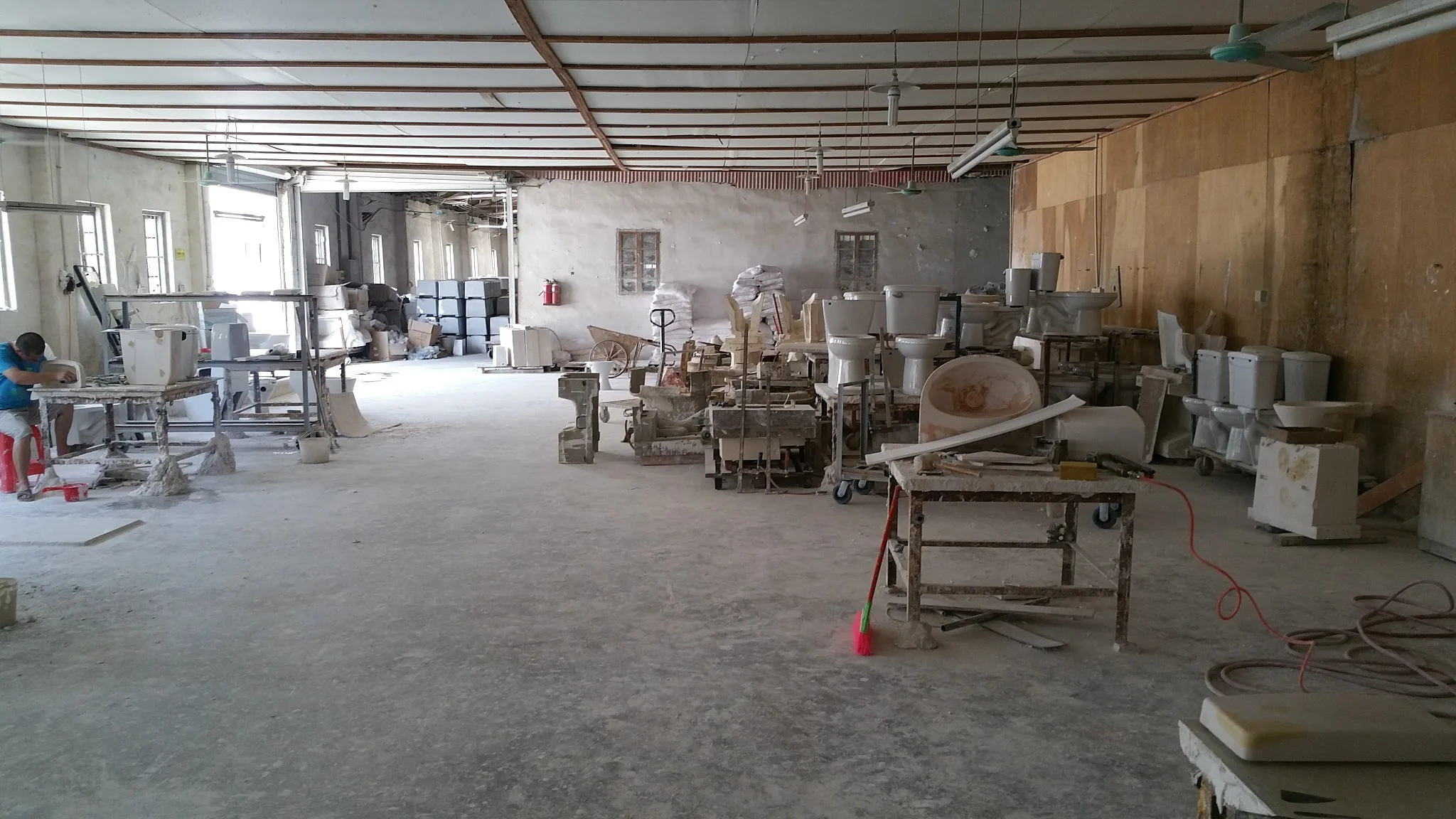
This is the part most importers never see.
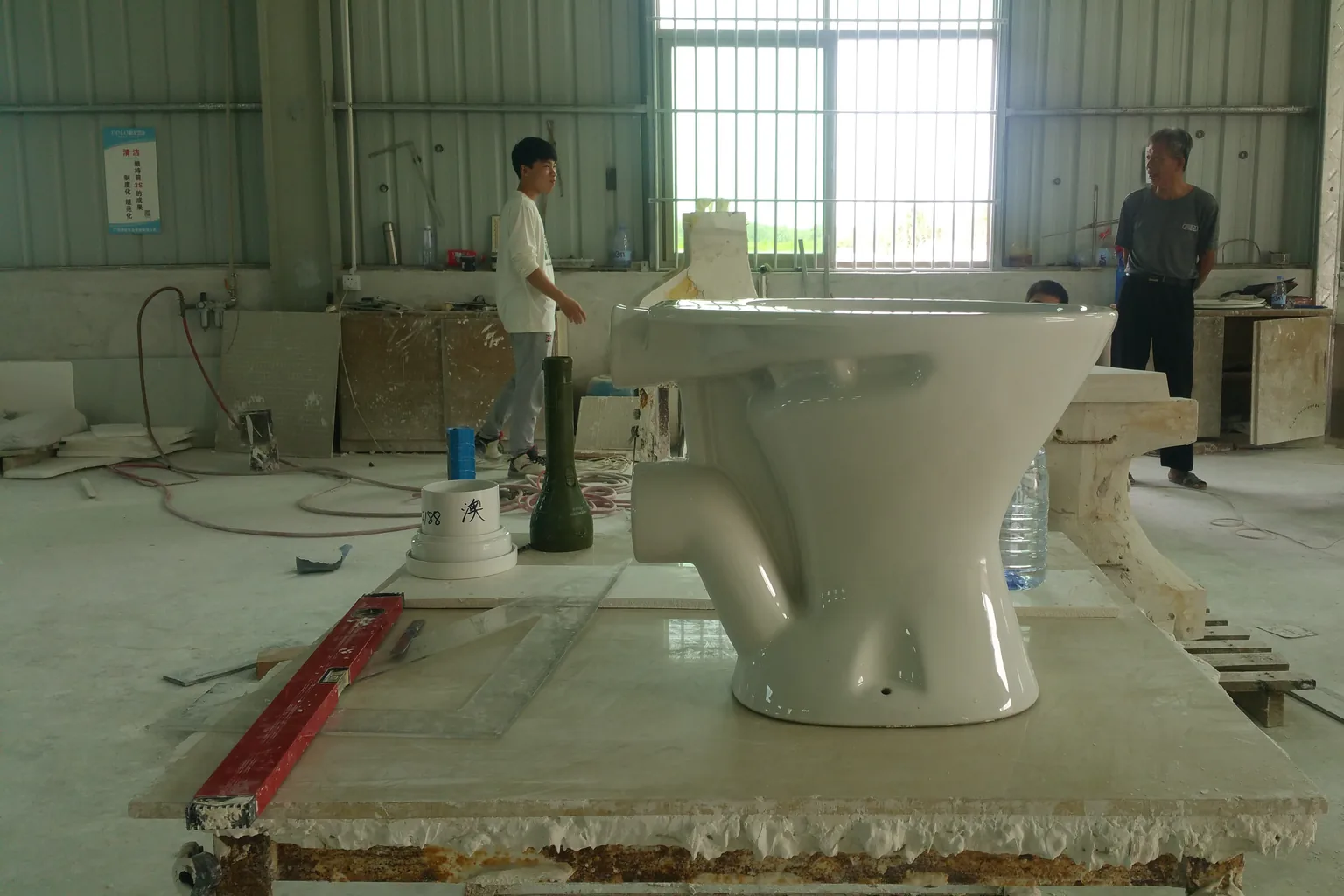
A product moving down a conveyor is where a specification stops being a document and starts being a thing you have to sell. Glaze thickness, wall section, the tolerance on a mounting point — all of it is decided here, weeks before anyone in Australia sees a sample.
Buying through a trading company means taking someone’s word for what happened on this floor. Buying direct means having someone on it.
How it works
Six stages. Nothing assumed.
The sequence matters more than any single step. Most failed import programs go wrong because tooling was cut, or a PO was placed, before something upstream was actually settled.
01
Brief & specification
We write the spec before we look at factories: dimensions, materials, finish tolerance, certification targets, price architecture and volumes. Ambiguity here becomes a claim later.
02
Factory matching
We shortlist from the network on demonstrated capability for your specific category and volume — then quote across the shortlist so you see the spread, not a single number.
03
Sampling & tooling
Golden samples are produced, assessed and signed off before any tooling is cut. Nothing goes to production on the strength of a photograph or a catalogue page.
04
Compliance clearance
WaterMark and WELS pathways are confirmed against the exact model and variant being made — before the purchase order is placed, not after the container lands in Fremantle.
05
Production & inspection
In-line checks during the run and a pre-shipment inspection at the plant, with a photographed report to you. Faults are found on the factory floor, where they are still cheap to fix.
06
Freight & landed cost
Consolidation, documentation and delivery into your Australian warehouse — with the landed cost modelled up front so your margin is known before you commit.
Quality & compliance
A container that can't be installed is not a saving.
Any product connecting to Australian drinking water or sanitary drainage must carry WaterMark certification. Taps, showers and toilets must also be WELS registered. Without it a plumber cannot legally install the product — which makes the shipment worth nothing, whatever you paid for it.
Sortex holds and manages the WaterMark licence, so the obligation does not have to sit with you. This is the single most common way a cheap import turns expensive, and it is the reason compliance sits at stage four of our process rather than at the end.
- WaterMark licence held and managed by Sortex
- Certification confirmed per model, variant and finish
- WELS registration and star-rating verification
- AS/NZS product standard conformity
- Material, glaze and finish verification against the golden sample
- In-line and pre-shipment inspection with photographed reports
- Complete documentation pack delivered with every shipment
Private label & OEM
Your brand on the box.
Ours on the outcome.
A house brand is the most reliable way to hold margin against the buying groups — but only if the product behind it holds up. We run the whole program: specification, factory selection, tooling, packaging design, certification and freight.
The margin is not in the discount. It’s in owning the range.
Sortex — Direct Sourcing Specialists
Who we work with
Three kinds of buyer. Three different problems.
Retail
Retailers & wholesalers
You are being squeezed between the buying groups above you and online pricing below you. An own-brand range sourced direct restores the margin that a distributor’s price list has taken out — without giving up quality you can stand behind.
Construction
Builders & developers
Multi-dwelling projects live and die on schedule and consistency. We supply to the program — matched quantities, staged deliveries, identical finish across stages, and certification that will not stall a plumbing inspection.
Brand
Brands going private label
You have the market and the customers; what you don’t have is a factory floor. We become that — full OEM from specification and tooling through to packaging, compliance and delivered stock.
Common questions
Before you ask.
What minimum order quantities do you work with?
There is no single number, because every product carries its own MOQ set by the factory that makes it. A ceramic pan, a tapware finish and a stainless sink each have a different floor, and the same item can differ between plants. Custom tooling raises it further, because the mould has to be paid for across the run. We give you the actual figure for your specific product and factory at the quoting stage — not after you have committed.
Do you handle WaterMark and WELS certification?
We hold and manage the WaterMark licence. WELS registration can sit with either of us — some clients prefer to register in their own name, and we handle it for those who don’t. Either way the pathway is confirmed before the purchase order is placed. Where a factory already holds certification we verify it covers the exact model, variant and finish you are buying, which is where most importers come unstuck.
Can we use a factory we've already found?
Yes — provided they clear the same guidelines we apply to our own network: workplace safety, demonstrated quality control, and modern slavery and labour standards. Those three are not negotiable. A plant that cuts corners on its people is a risk to your brand as much as ours, and it is the kind of exposure that surfaces long after the container has landed. If they clear the audit we will run the program through them. If they do not, you get the reasons rather than a redirect to someone we prefer.
How is your pricing structured?
Transparently, against the factory FOB price. You see the factory price, and we apply an agreed percentage on top to cover quality control and the other services around it — so the product cost and our fee are two separate lines you can check. We would rather be judged on a visible fee than hide a margin inside a unit price, because the second approach is exactly what makes trading companies expensive.
What happens if product arrives faulty?
Pre-shipment inspection exists to make this rare, but manufacturing is manufacturing. Every program carries an agreed defect threshold: as the importer you carry faults below it, and beyond it the factory is responsible. That threshold is set before the order rather than argued about after it. When a claim does need making, we hold the factory relationship and the leverage that comes with repeat volume — which is the practical difference between a claim that gets resolved and one that gets ignored.
How long does a program take from brief to delivery?
It depends entirely on which of two programs you are running. An off-the-shelf factory product with no modifications is the fast route — there is nothing to design and nothing to tool, so the schedule is sampling, certification and production. A new design needing its own moulds is a different exercise: the tooling has to be cut, sampled and signed off before production can start, and certification usually runs longest where a new pathway is required. We build a dated schedule at the specification stage so you are planning against real dates rather than an optimistic guess.
Start here
Tell us what you're buying.
Send the category, the rough volume and the market you’re selling into. You’ll get a straight answer on whether we’re the right fit — and if we are, an indicative factory-direct cost.
Prefer to talk? Book a 20-minute sourcing call