
How it works
Six stages.
Nothing assumed.
The sequence matters more than any single step. Most failed import programs go wrong because tooling was cut, or a purchase order was placed, before something upstream was actually settled.
01
Brief & specification
We start with what you are trying to sell and to whom — not with a factory catalogue. The output is a written specification covering dimensions and set-out, materials and gauge, finish and tolerance, certification targets, packaging and carton marking, and the price architecture the range has to hit.
Ambiguity at this stage becomes a warranty claim later. If the spec says “brushed nickel” without naming a process and a test, you will get whatever the factory calls brushed nickel that month.
02
Factory matching
We shortlist from the network on demonstrated capability for your specific category, finish and volume — then quote across the shortlist so you see the spread rather than a single number.
The cheapest quote is information, not an answer. A plant that is 8% below the others on a ceramic program is usually telling you something about firing time or glaze thickness, and it is better to know that before the order than after the third container.
03
Sampling & tooling
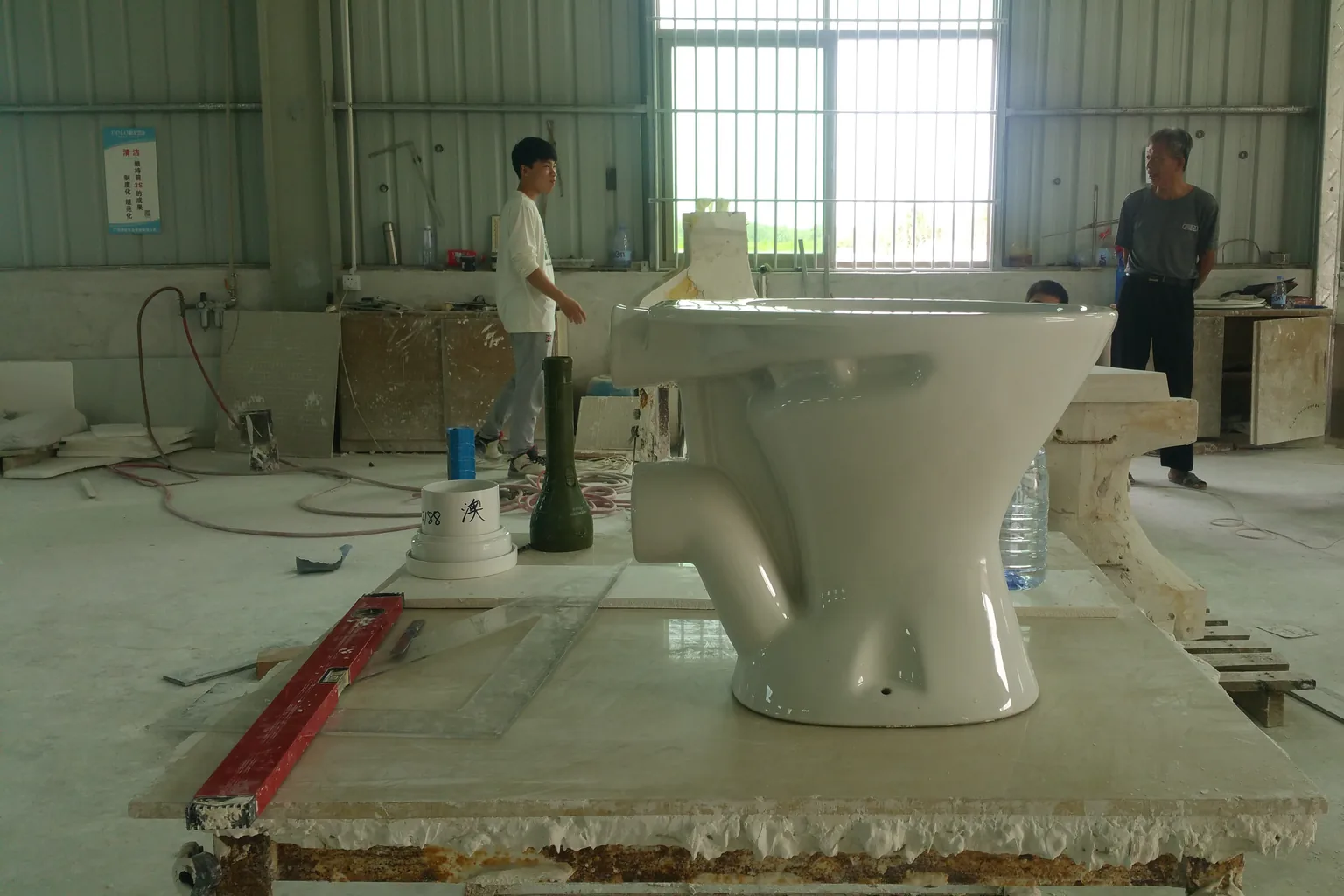
Golden samples are produced, assessed against the specification and signed off before any tooling is cut. Nothing goes to production on the strength of a photograph or a catalogue page.
Where a range needs new moulds, this is the expensive gate. Tooling is the point of no return on a custom program — once a mould exists, changing the design means paying for it twice.
04
Compliance clearance
WaterMark and WELS pathways are confirmed against the exact model, variant and finish being made — before the purchase order is placed, not after the container lands.
This sits at stage four rather than at the end deliberately. Certification discovered late is not a delay; it is a write-off, because product that cannot legally be installed has no residual value in this market.
05
Production & inspection
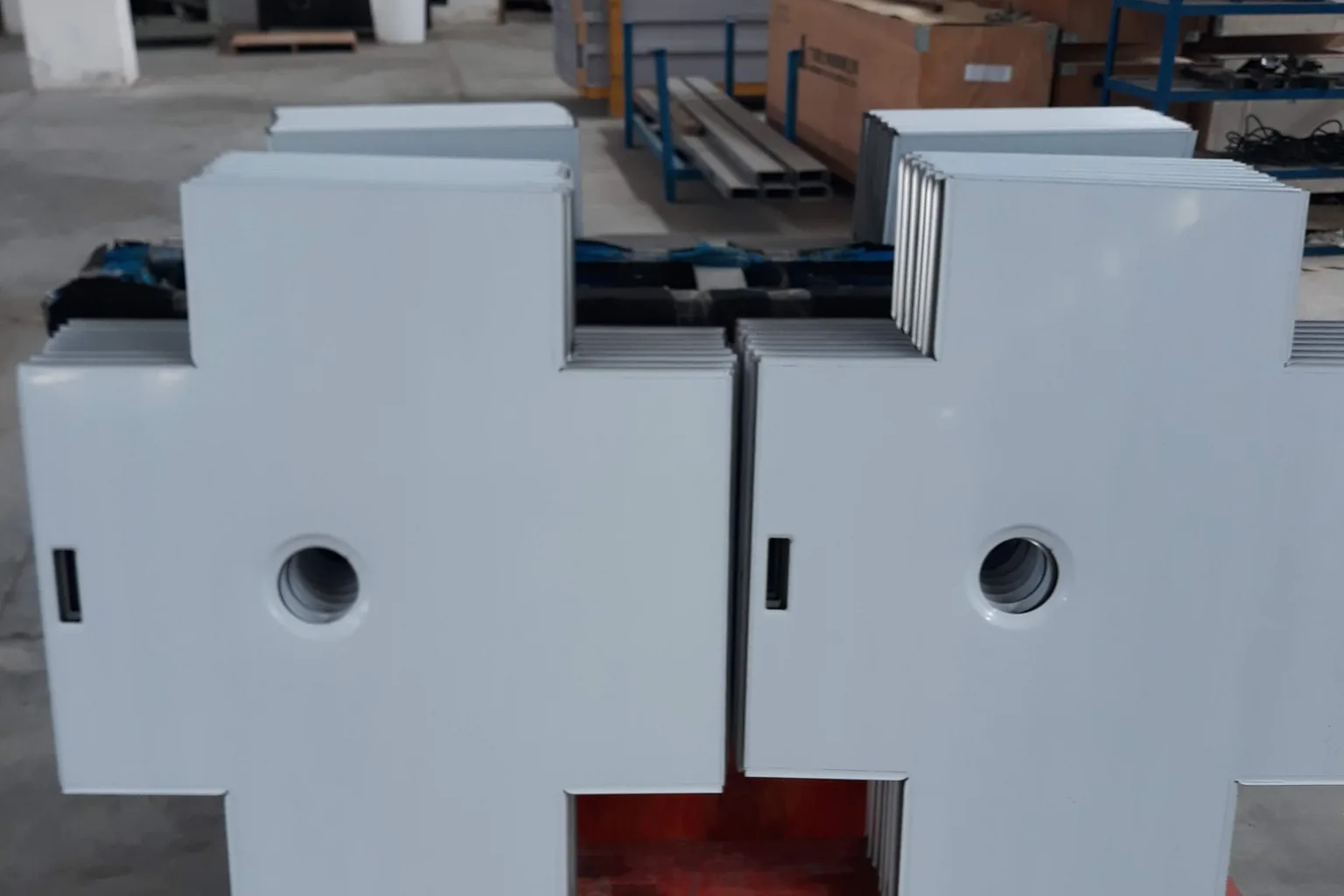
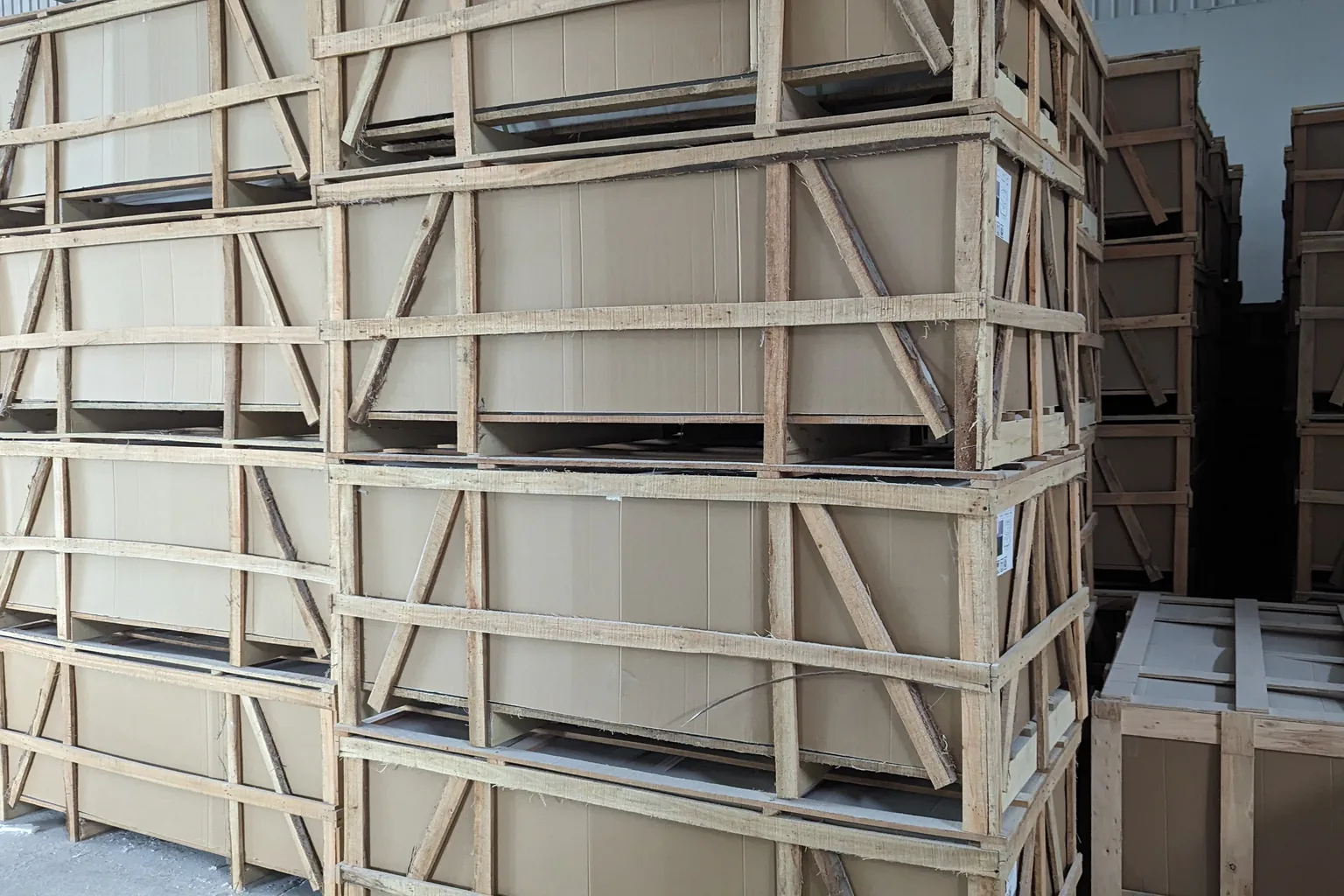
In-line checks during the run and a pre-shipment inspection at the plant, with a photographed report to you before the container is sealed.
Faults found on the factory floor are a rework conversation. The same faults found on your dock are a freight, storage and credit-note conversation, and you are holding the stock while it happens.
06
Freight & landed cost
Consolidation, documentation and delivery into your Australian warehouse — with the landed cost modelled up front so your margin is known before you commit rather than discovered afterwards.
Landed cost is where thin-margin programs quietly fail. A unit price that works at FOB can stop working by the time duty, freight, insurance and handling are on it.
Factory network
A shortlist, not a directory.
Anyone can find a factory. The work is knowing which of them can hold a tolerance across a long run, which will still answer the phone in December, and which one has actually certified the model you are asking about.
Our 200+ plants are qualified on capability and audited on record — then matched to your program on fit, not on who happens to be quoting cheapest this month.
0+
Qualified factories across sanitaryware, tapware, sinks and vanities.
0
Audit criteria every plant clears before it enters the network.
0%
Orders inspected before the container is sealed.
FOB
Direct factory pricing, quoted transparently to landed cost.
Quality & compliance
A container that can't be installed is not a saving.
Any product connecting to Australian drinking water or sanitary drainage must carry WaterMark certification. Taps, showers and toilets must also be WELS registered. Without it a plumber cannot legally install the product — which makes the shipment worth nothing, whatever you paid for it.
Sortex holds and manages the WaterMark licence, so the obligation does not have to sit with you. This is the single most common way a cheap import turns expensive.
- WaterMark licence held and managed by Sortex
- Certification confirmed per model, variant and finish
- WELS registration and star-rating verification
- AS/NZS product standard conformity
- Material, glaze and finish verification against the golden sample
- In-line and pre-shipment inspection with photographed reports
- Complete documentation pack delivered with every shipment