

A shipment of toilet suites lands. The paperwork says WaterMark certified. Three weeks later a plumber in Penrith calls to say he can’t install them — the certificate on file covers a different model to what’s actually in the box.
That’s not a rare story. It’s the single most common way a cheap import turns into an expensive one, and almost every retailer we talk to has been burned by some version of it.
What WaterMark actually certifies
WaterMark is the certification scheme that covers any plumbing or drainage product connecting to Australian drinking water or sanitary systems — toilets, tapware, mixers, basins, floor wastes, the lot. Under the National Construction Code, a plumber isn’t legally allowed to install a product without it. No WaterMark, no install. It doesn’t matter how good the product is or what you paid for it.
Most retailers know that much. What surprises people is how narrow the certification actually is. It’s not a stamp on a category — it’s a stamp on one specific product, made one specific way, by one specific factory line. Change the mould, change the internal fittings, or move production to a second factory to cover volume, and technically you’re outside what the original licence covers, even if nothing about the product looks different from the outside.
Where it goes wrong is in what people assume the certificate actually covers.
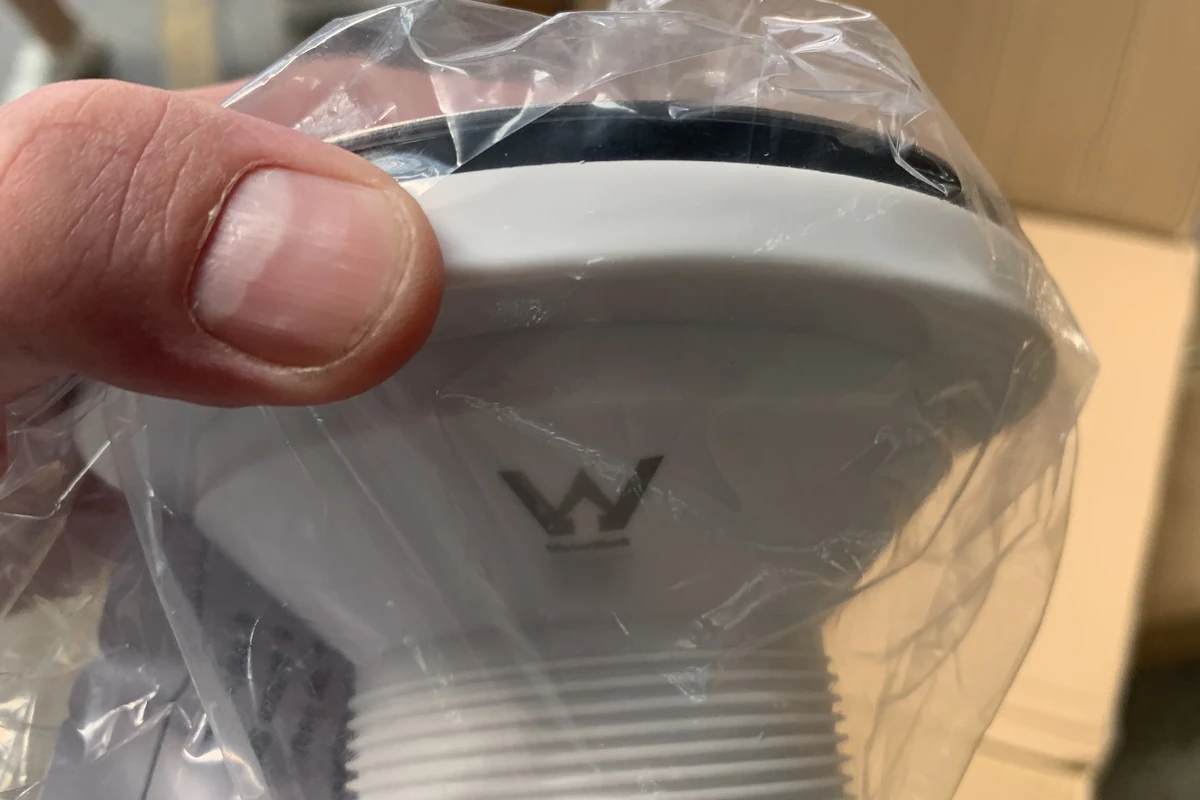
Where retailers get caught out
Assuming the certificate travels with the product. A WaterMark licence is issued to a specific model, in a specific variant, sometimes down to the finish. A factory might genuinely hold WaterMark on a toilet suite — and still ship you a slightly revised bowl profile, a different cistern mechanism, or a new finish that was never tested under that licence. The paperwork looks fine. The product isn’t covered.
Trusting a trading company’s word for it. If you’re buying through an intermediary, you’re taking their assurance that the certificate applies. Most of them aren’t lying — they’re just repeating what the factory told them, which is exactly the chain of “trust me” that breaks down the moment someone actually checks.
Not knowing who’s liable when it fails. If a product turns out not to be properly certified after it’s installed, the exposure doesn’t stop at the factory gate. It sits with whoever put it into the Australian market — which, in most import arrangements, is you. Not the factory. Not the agent who sourced it. You.
Confusing “certified” with “certified for this market.” A product can hold a certification pathway overseas that looks similar to WaterMark and isn’t it. Compliance schemes aren’t interchangeable between countries, and a factory that’s used to exporting into markets with lighter requirements won’t always flag the gap unless you ask directly.
What it actually costs when it goes wrong
The Penrith story above isn’t hypothetical — versions of it play out weekly across the trade. A plumber flags a mismatch on site, work stops, and now you’re not just refunding one unit. You’re potentially pulling the whole batch, because if one unit’s certificate doesn’t match, you can’t be confident any of them do. That’s stock sitting in a warehouse instead of moving, a builder chasing you for a fitout deadline, and a trade customer who remembers whose name was on the invoice.
Compare that to the cost of checking properly before the order goes in: a few emails, a database search, maybe a week added to the front of the schedule. It’s not a close call.
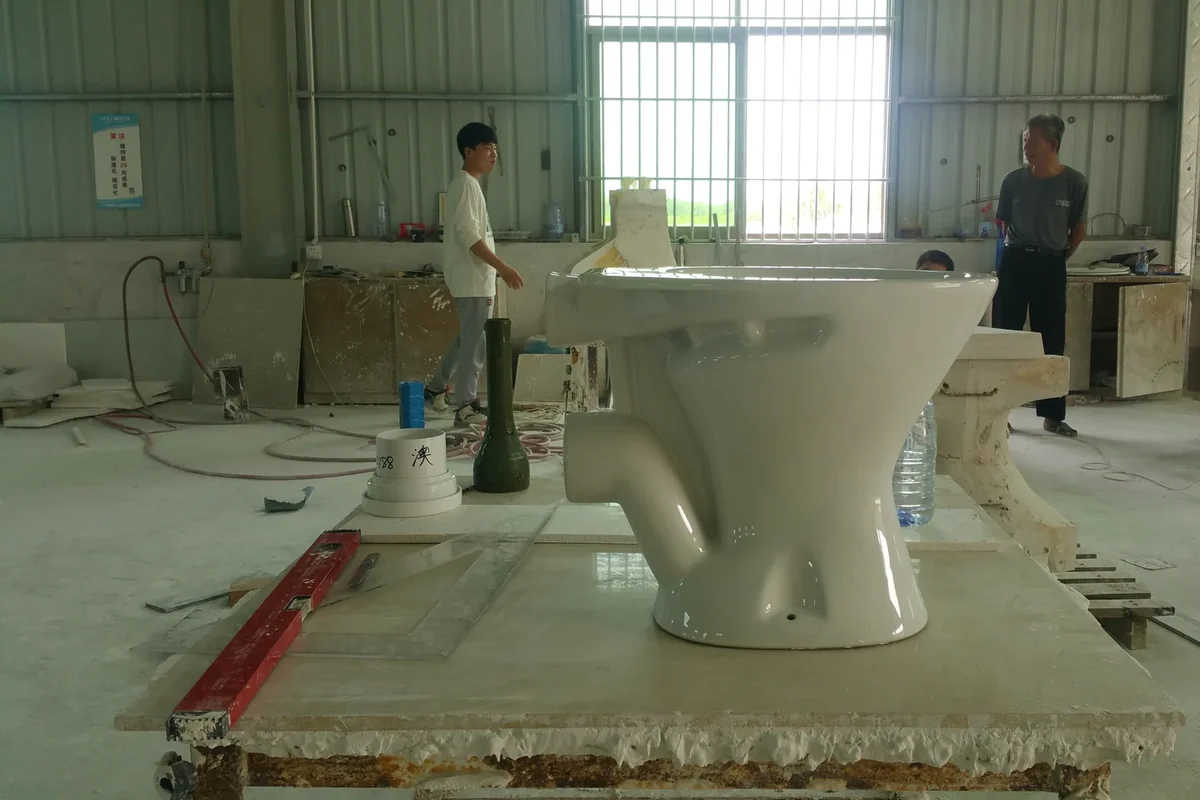
Why this keeps happening
It’s not that importers are careless. It’s that WaterMark verification usually happens at the wrong point in the process — after the purchase order is placed, sometimes after the container has already left port. By then, checking the certificate is a formality, not a safeguard. If there’s a problem, you find out from a plumber on site, not from a compliance check.
The fix isn’t more paperwork. It’s moving the check earlier — confirming the certification pathway against the exact model, variant and finish before the order goes in, not after the goods arrive.
What to actually check before you buy
- The WaterMark licence number, checked against the WaterMark database — not just a supplier’s claim
- That the licence covers the specific model and variant you’re ordering, not a similar product from the same range
- Who holds the licence, and what happens to your stock if that licence lapses or is revoked
- Whether WELS registration is also required (tapware, showers and toilets need both — WaterMark and WELS are separate schemes covering different things)
- Who carries the liability if a product is found non-compliant after installation
If a supplier can’t answer these without checking with someone else first, that’s the answer.
It’s also worth asking what happens if the factory changes something mid-contract — a finish tweak, a hardware supplier swap, a second production line brought on for volume. A good supplier will tell you before it happens and re-confirm certification against the change. Most won’t think to mention it at all, because from the factory’s side, nothing “changed” — it’s the same product to them, just made slightly differently.
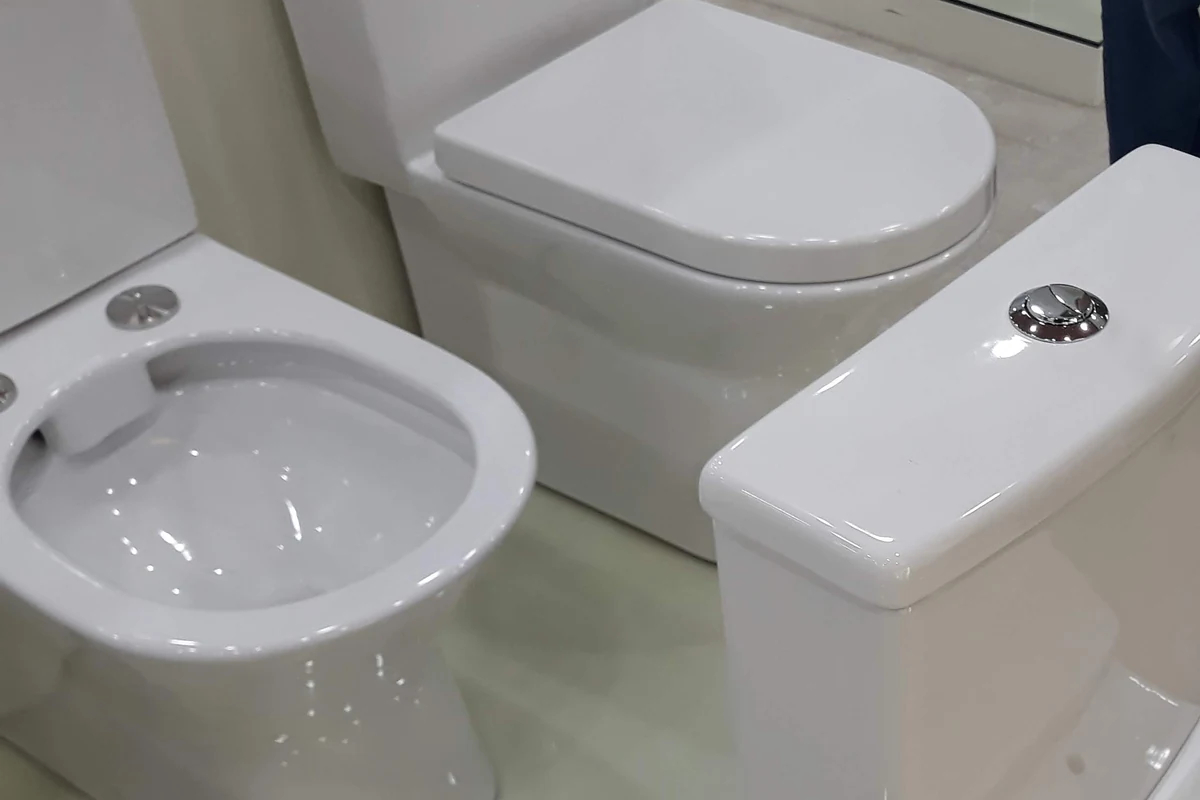
The direct-sourcing difference
This is exactly why we hold the WaterMark licence ourselves rather than relying on a factory’s paperwork. When we place an order, certification is confirmed against the specific model and variant before production starts — not verified after the fact. If something’s not covered, we find out at the specification stage, where it costs nothing to fix, instead of on a job site, where it costs a callback and a customer relationship.
That’s the difference between buying a product that’s certified and buying a product where someone actually checked.
Sortex sources bathroom sanitaryware, tapware and kitchen sinks direct from qualified factories across Australia, New Zealand and Southeast Asia, with WaterMark and WELS compliance managed in-house. Get in touch to talk through a program.
[…] category. A generic quality inspection checklist misses category-specific failure points — a WaterMark-relevant sealing surface, a WELS-relevant flow component — that someone who actually knows bathroomware […]