

The question: You’ve decided buying through a local importer is costing you margin, and you want to go to the source. Now there are two ways to do it. Set up your own supplier relationships, or bring in someone to run the sourcing for you. Both can work. Which one suits you depends on things most people don’t think through until they’re already committed.
We run a sourcing business, so you’d expect us to say you need one. You don’t always. Here’s an honest look at both options so you can work out which fits.
When going direct yourself makes sense
You buy in real volume, and keep buying. If you’re moving containers regularly, the cost of building your own supplier network spreads across a lot of product. One-off or occasional orders rarely justify the time it takes to learn the process.
You already have someone who’s done it. A person on your team who has managed factory relationships, compliance and inspections before is worth more than any service. If that’s you, you’re not starting from zero.
Your range is narrow and stable. One or two products, one factory, the same spec every order. That’s a much simpler job than a mixed range across tapware, sanitaryware and sinks, each with its own failure points.
You can be on the ground when it matters. Factory visits, production checks and face-to-face negotiation make a real difference. If you can travel when needed, you have an advantage.
What going direct actually asks of you
The price on the quote is the easy part. The work sits around it:
Finding and vetting factories. Telling a genuine manufacturer from a trader using a factory’s name takes time and a good eye. We cover that in how to tell a real factory from a trading company.
Locking specs and managing samples. The sample is only useful if the bulk order matches it. That’s covered in why your sample looked perfect and your bulk order didn’t.
Compliance. Plumbing products need to meet Australian requirements before you can legally sell them, and a factory saying it has a certificate doesn’t settle that. See what retailers get wrong about WaterMark.
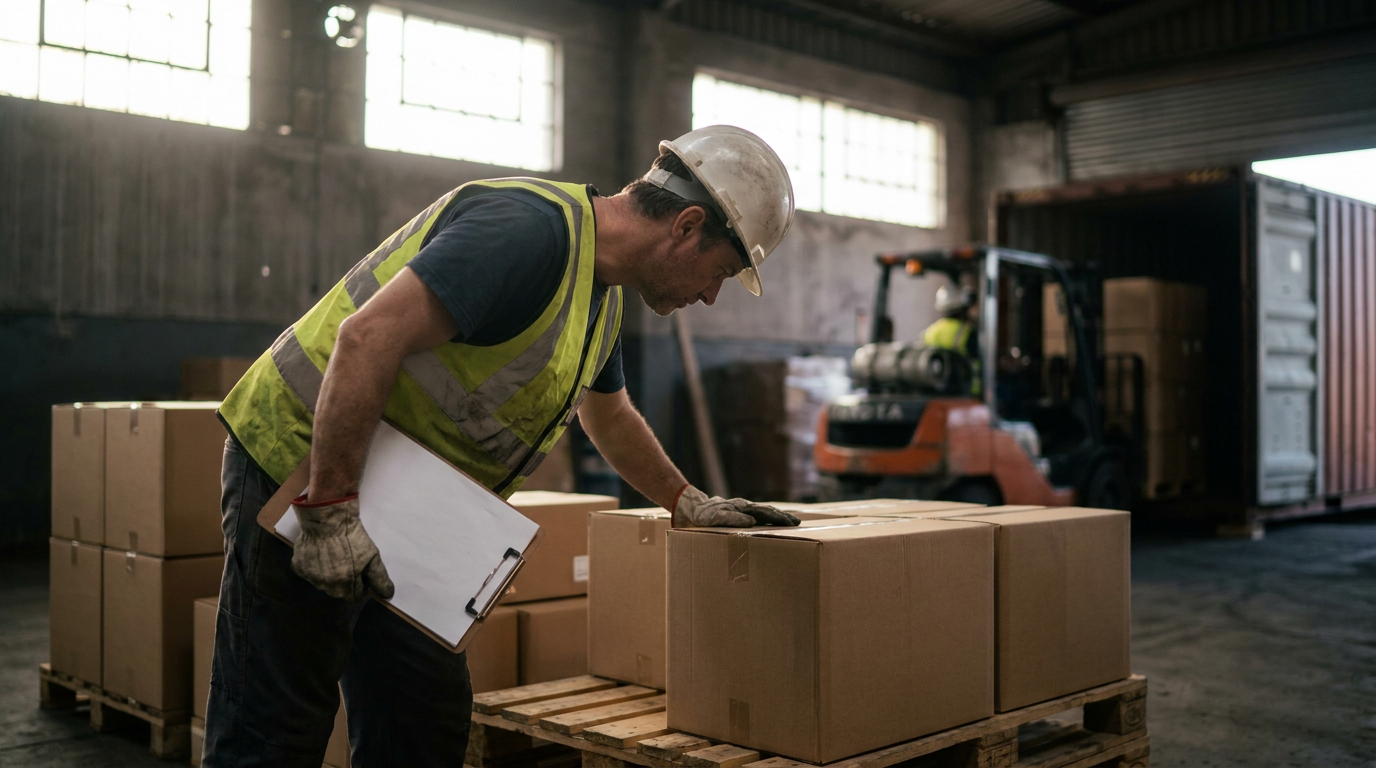
Inspecting during and after production. Someone has to check the goods before they ship, not after they land.
Freight, customs and payments. Booking, documentation, deposits and balance payments, all across time zones and a language gap.
Fixing problems when they happen. A late batch or a failed inspection means a hard conversation with a factory that has your deposit.
None of this is impossible. It’s a real job, and it takes real hours every week, often at odd times of day.
What a sourcing partner does and doesn’t do
A good sourcing partner takes on the legwork above. They already have verified factories, run the spec and sample process, handle compliance, inspect during production and manage freight and the factory relationship. You still make the commercial calls: what to range, what to pay, and how much to order.
There are trade-offs, and you should weigh them:
It costs something. A partner charges a fee or builds in a margin. You’re trading some of the saving for time, risk reduction and expertise. The question is whether what you keep beats what you’d lose through mistakes and hours spent.
You give up some direct control. Someone else is talking to the factory for you. That’s fine if you trust them and they’re transparent. It’s a problem if they won’t show you what they’re doing.
Quality varies between partners. Some are excellent and some are just another middleman. Ask who actually inspects, who holds the compliance, and whether you can see the factory and the paperwork.
How to decide
Ask yourself a few plain questions:
Do I have someone with the time and the know-how? If the honest answer is “I’ll figure it out as I go”, the first few orders are where that learning gets expensive.
What does one bad container cost me? If a failed batch would hurt your cash flow or your customers badly, paying for someone to prevent it is cheap insurance.
Is this a core skill I want to build, or a supply problem I want solved? Some businesses want to own the sourcing function. Others just want good product at a better price, and would rather spend their time selling it.
Could I start with a partner and take it in-house later? Many businesses do. They learn the process alongside someone experienced, then take over the parts they want to run themselves.
Where this leaves you
If you have the volume, the experience and the time, go direct and keep the full saving. If you don’t, or you’d rather not learn it on your own money, a partner who knows the category is worth considering.
That’s what we do at Sortex: verified factories, spec-locked samples, WaterMark and WELS handled in-house, and inspection through production, so you get the factory-direct price without taking on the whole job. If you’re weighing it up, it’s worth a conversation about your range and volumes. We’ll tell you straight if going direct yourself is the better move.
Sortex sources bathroom sanitaryware, tapware and kitchen sinks direct from verified factories across Australia, New Zealand and Southeast Asia, with spec-locked quality control managed in-house from sample to shipment. Get in touch to talk through a program.